
Biodiversity and the functioning of ecosystems, including those precious services sustaining our life and our societies, are at risk, affecting the ecological sustainability of our Planet, our well-being and our future.
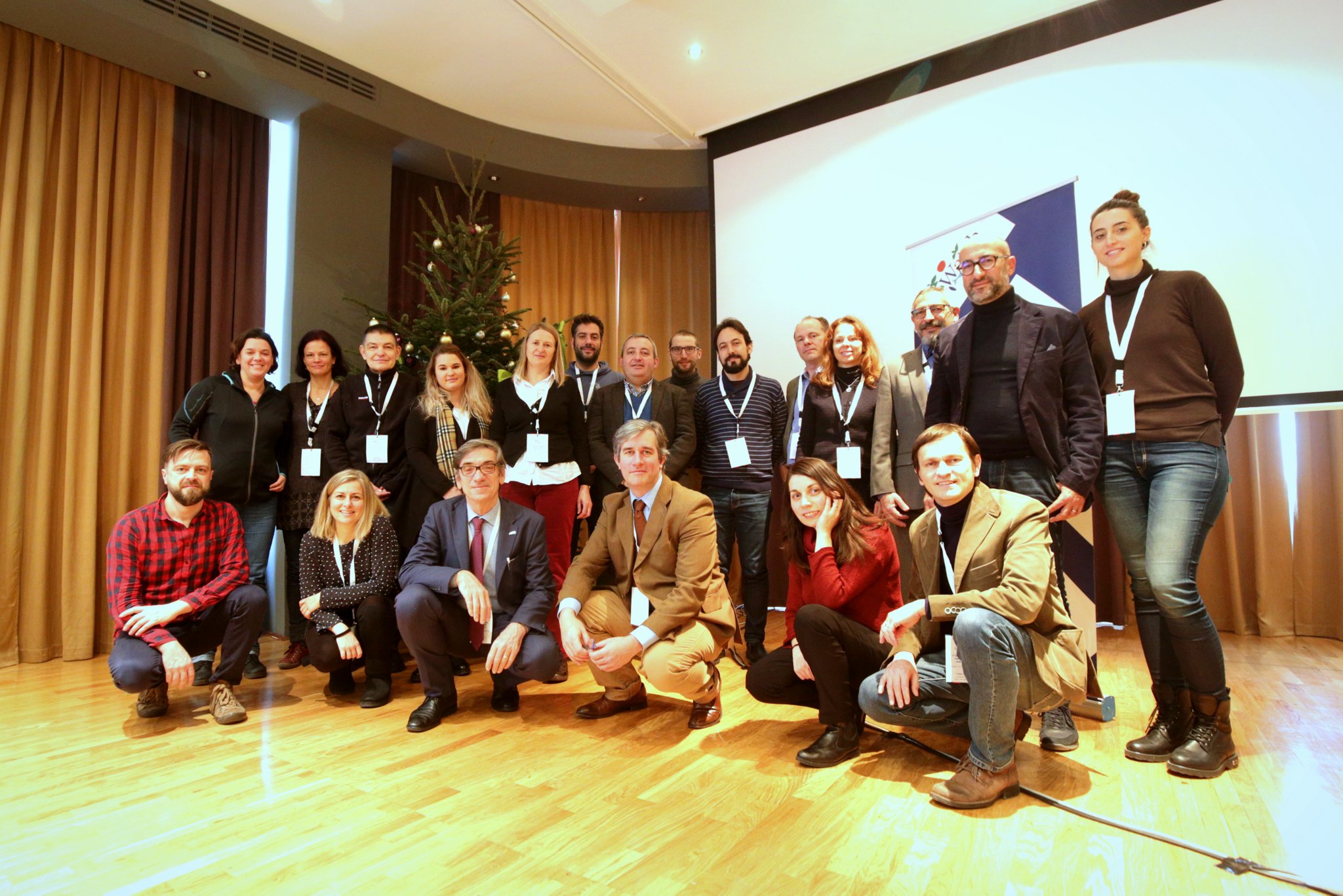
LifeWatch ERIC, the European e-Science Infrastructure of Biodiversity and Ecosystem research (portal.lifewatch.dev) has organised a meeting in Ljubljana, on 13–14 December 2019, discussing with representatives of Common Facilities, National Nodes and the wider Slovenian scientific community and partners in the LifeWatch Slovenia consortium on the vision, mission and operational priorities of the research infrastructure. The ambition was to deploy the proper e-Infrastructure to scientists in order to build the science-based knowledge needed by all stakeholders, including local communities, in order to address these key global challenges.
The meeting has been focused on biodiversity and ecosystem data management, since the data already available, and big data, that are going to be collected through new technologies and the work of thousands of scientists in Europe, are the foundation to build the new knowledge required within the context of climate changes and biodiversity loss. However, it is necessary that Open Science becomes a reality and proper tools, allowing scientists to find, access, integrate, re-use and analyse the data already collected by the scientific community, actually developed and made available. These issues and the organisation of Distributed Data Centres on biodiversity and ecosystem research have been discussed in the meeting with the contribution of scientists from Belgium, Greece, Italy, the Netherlands, Spain and Slovenia LifeWatch Nodes, as well as from other environmental research infrastructures, particularly researchers also contributing to DiSSCo, Distributed Systems for Scientific Collections.
The meeting has also highlighted the global relevance of the scientific research of the Slovenian Institutions on biodiversity and ecosystems to address these global challenges from experience on model ecosystem types distributed at the Biosphere scale and relevant in the context of climate change.